
Best Expanding Container Manufacturers in China

An expanding container can create usable floor space within a compact transport footprint. Buyers often consider these units for temporary offices, accommodation, site facilities, and other modular applications. Yet a product photo rarely shows how well its panels seal after repeated opening, or how a floor performs under daily use. Details matter.

The wider modular construction market offers useful context, but it is not the same as the expanding-container segment. Grand View Research estimated the global modular construction market at about US$91.3 billion in 2023, with projected growth through 2030. UN DESA’s World Urbanization Prospects: The 2018 Revision projected that 68% of the global population would live in urban areas by 2050. These figures suggest sustained interest in flexible building methods; they do not prove that every supplier or design will succeed.

This guide introduces expanding container manufacturers in China and the factors worth checking before requesting a quotation. Compare frame materials, weld quality, hinge design, insulation, weather seals, and documented production checks. Ask for drawings, test details, delivery scope, and references for comparable projects. A low quoted price may leave installation or transport costs unclear. That deserves a closer look. Manufacturer capabilities also vary, and online claims can be difficult to verify independently. The aim here is not to treat a shortlist as a guarantee, but to help buyers ask sharper questions and compare offers against real project needs.
Best Expanding Container Manufacturers in China

What Expanding Containers Are and Where They Are Used

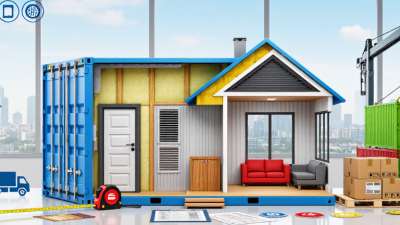
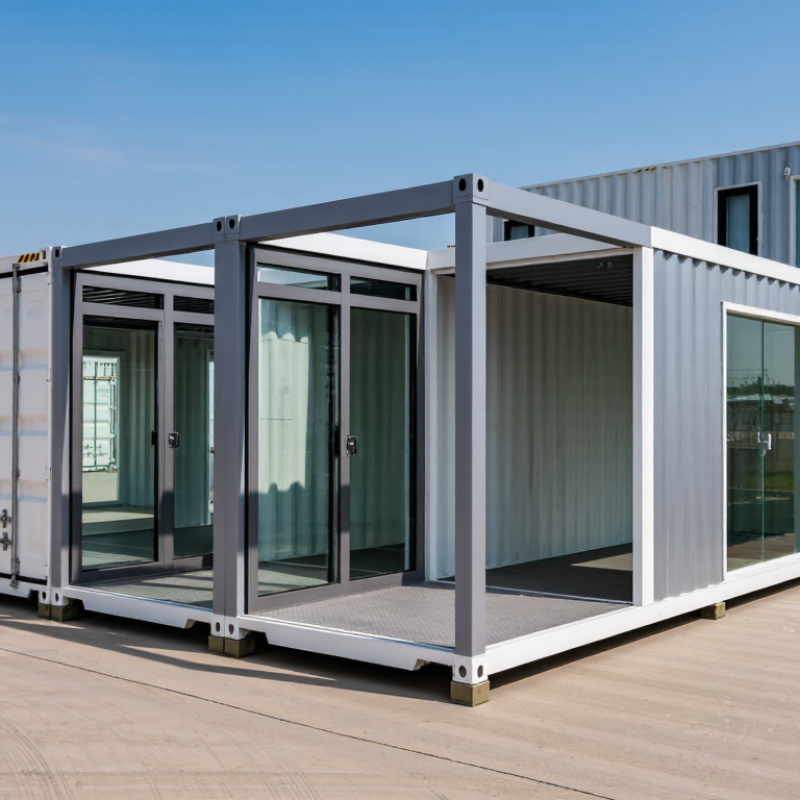
Expanding containers are factory-built modular units that widen after delivery. Their side sections fold or slide outward, creating more usable floor area than the transport footprint suggests. Inside, a compact unit might open into a room with space for desks, beds, or examination equipment. The structure commonly uses a steel frame, insulated panels, and sealed joints. Space expands fast. But the opening mechanism and weather seals need careful inspection.

These units suit temporary site offices, rural classrooms, mobile clinics, and accommodation near remote projects. They can also support disaster response, where quick setup matters and permanent buildings may take longer.

McKinsey’s 2019 report, “Modular construction: From projects to products,” estimates modular methods can shorten construction schedules by up to 50 percent and reduce costs by up to 20 percent. Those are potential gains, not guarantees; transport, site preparation, and utility connections still affect delivery. Details matter.

For buyers comparing expanding container manufacturers in China, ask how the unit is anchored, insulated, and protected against rain at its expanded joints. Check the actual internal dimensions after opening, not just the folded shipping size. A wider room still needs a level foundation and safe electrical installation. And in very hot, cold, or coastal conditions, standard specifications may not be enough. The trade-off is real: fast deployment can mean fewer layout choices, and some seams may need more maintenance than expected.

How China’s Expanding Container Manufacturing Industry Works

Best Expanding Container Manufacturers in China

How China’s Expanding Container Manufacturing Industry Works

China’s expanding container industry combines structural fabrication with space-saving design. A typical unit starts with a steel frame, cut and welded to fit its planned dimensions. Workers then add wall panels, insulation, windows, doors, and floor layers. Hinges or sliding sections allow the structure to open at its destination. Small alignment errors can affect how smoothly those sections move. Details matter.

Production usually follows a project specification rather than a single standard layout. Buyers and manufacturers discuss room dimensions, intended use, electrical routing, plumbing, and finish options. Engineers prepare drawings, while the factory checks frame measurements and panel fit during assembly. A sample unit or staged inspection can help reveal problems before shipment. Still, drawings do not always capture how a unit feels in daily use. That deserves more attention.

Tips: Ask for dimensioned drawings, material details, and a clear inspection plan. Check how the unit expands, locks, and seals against rain. Confirm which fixtures are included, and request photos of comparable production stages. These checks make comparisons more practical.

Criteria for Identifying Leading Expanding Container Manufacturers

Choosing a leading expanding container manufacturer in China starts with evidence, not polished catalog photos. Request drawings that show folded and deployed dimensions, frame sections, hinge positions, and connection points. Ask how the structure is checked for leaks, alignment, and repeated opening. A useful factory visit includes seeing a unit expand, then inspecting its seals and locks up close. Small gaps matter.

Quality systems should be visible in records, not just promises. Review material specifications, welding inspection procedures, coating details, and sample test reports. Ask how changes are documented between the approved drawing and the finished unit. Check whether the supplier can explain realistic lead times and identify parts that may delay production. Clear answers build confidence. Vague answers do not.

Good manufacturers also ask where the container will sit, how it will be transported, and which utilities or interior finishes are needed. Their recommendations should fit those details, rather than rely on a standard package. Compare written quotations line by line, including packing, installation guidance, spare parts, and after-sales support. A showroom can look flawless while concealing weak documentation. No checklist catches everything. Leave room for a pre-shipment inspection, and record any agreed corrections before delivery.

Profiles of Notable Expanding Container Manufacturers in China

Chinese expanding-container manufacturers generally fall into three profiles: structural fabricators, modular-building specialists, and export-focused integrators. Structural fabricators emphasize steel frames, folding joints, and corrosion protection. Modular specialists add insulation, wiring routes, doors, and interior finishes. Integrators coordinate drawings, packing, and installation guidance. Their workshops may look similar, but hinge tolerances and weld consistency can differ sharply. Small details matter.

Market context helps, but it must be read carefully. UNCTAD’s Review of Maritime Transport 2024 reports global container-port throughput of 858.9 million TEUs in 2023, up 2.4% from 2022. This measures port activity, not demand for expandable buildings; it is useful context, not proof of sales. Buyers should compare manufacturers using verified load calculations, opening-cycle tests, coating specifications, and sample inspection records. Ask to see a unit expanded on a level floor, then check door alignment and water sealing after closure. A polished showroom is not enough. Some published specifications remain vague, and that deserves a second look. Request drawings, material grades, and a written inspection plan before comparing prices.

How to Compare Manufacturers and Choose a Supplier

Choosing an expanding container manufacturer begins with matching its design to your actual use. Share the required dimensions, payload, climate, and expected expansion frequency. Ask how the frame, hinges, seals, and locking points are tested. Details matter. A supplier should provide clear drawings, material specifications, and documented test results, not just attractive renderings.

Compare manufacturers using the same checklist. Review expansion-cycle data, corrosion protection, drainage, and replacement-part availability. Ask for examples of completed projects with similar dimensions and operating conditions. An independent factory inspection can verify equipment and quality checks, but a visit alone proves little. Look at inspection records and how defects are handled. Compare the full delivered cost, including packaging, transport, installation guidance, and spare components. Cheap can become costly.

Communication is part of the product. Notice whether technical questions receive specific answers or vague assurances. During a sample review, check that panels align, seals sit evenly, and moving sections operate without excessive force. Even a careful scorecard can miss practical frustrations, such as awkward access to a service point. Record these concerns and ask the manufacturer to explain how they would be addressed. A clear warranty should state coverage, duration, exclusions, and the process for reporting faults.

X
We use cookies to offer you a better browsing experience, analyze site traffic and personalize content. By using this site, you agree to our use of cookies. Privacy Policy
Reject Accept

Leave a Message to Download Our Brochure

X