10 Best Prefabricated Steel Structure Manufacturers
Choosing among the 10 Best Prefabricated Steel Structure Manufacturers requires more than comparing website photographs. Real performance appears in factory tolerances, weld quality, coating thickness, connection details, and delivery records. A strong manufacturer should provide traceable materials, qualified engineers, documented inspections, and practical support during installation. Certifications matter, but they do not replace careful technical review.
Jean Prouvé, a pioneering metalworker and prefabrication advocate, said, “Never design anything that cannot be made.” His principle remains valuable today. A reliable prefabricated steel structure manufacturer should turn drawings into accurately fabricated frames, not attractive promises. Look for experience with warehouses, workshops, schools, commercial buildings, and other demanding projects. Project references can reveal more than marketing language. Examine column sizes, roof systems, corrosion protection, fire resistance, and shipping methods. Ask how the company handles design changes and site delays.
No list is flawless. Local building codes, climate, soil conditions, labor skills, and transport limits can change the final choice. A low quotation may conceal thinner steel, weaker finishes, or expensive site modifications. Even experienced buyers can overlook foundation coordination. That is why this guide considers engineering capability, manufacturing capacity, quality control, communication, warranty terms, and lifecycle value. The goal is not to praise the largest supplier. It is to identify manufacturers that deliver measurable quality, explain their limitations honestly, and support the structure after delivery. A careful comparison may take longer. It can also prevent costly corrections beneath a leaking roof or misaligned connection.
What Defines a Leading Prefabricated Steel Structure Manufacturer
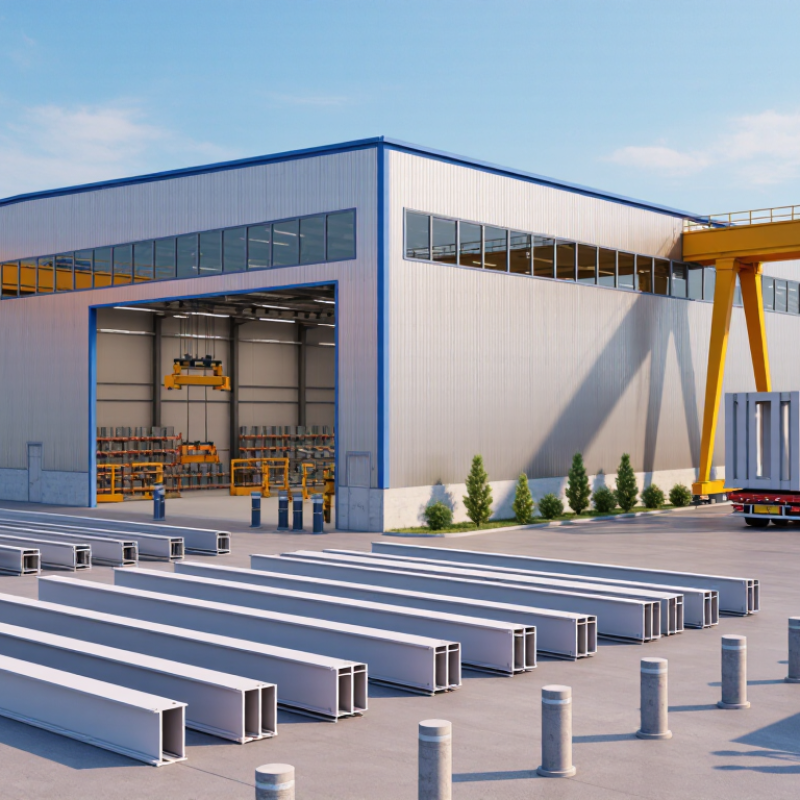
A leading prefabricated steel structure manufacturer is defined by more than factory size or a polished website. It combines practical experience with disciplined engineering. Its design team should understand wind, snow, seismic loads, soil conditions, and local building requirements. Clear calculations matter. So does the ability to explain them.
Reliable production begins with traceable steel certificates, controlled welding procedures, and routine dimensional checks. Skilled inspectors examine weld profiles, bolt holes, coatings, and connection points before shipment. A serious manufacturer can share inspection records without hiding behind vague promises. Digital modeling also helps detect clashes between frames, panels, doors, and mechanical systems. Yet software cannot replace judgment. Site conditions often differ from drawings.
Manufacturing experience becomes visible during installation. Components should arrive labeled, protected, and packed in a logical sequence. Detailed erection drawings reduce delays and unsafe improvisation. Strong suppliers provide technical support when a crane route changes or a foundation tolerance is missed. They also discuss maintenance, corrosion exposure, fire protection, and future expansion. No factory is perfect. A trustworthy one admits limits, records mistakes, and improves its process. Customer references, independent certifications, and transparent warranties add useful evidence, but they should not replace direct technical questions. Ask who checks the welds, how revisions are controlled, and what happens when a delivered part does not fit.
How the Top 10 Manufacturers Were Selected
How the Top 10 Manufacturers Were Selected
The top 10 manufacturers were selected through a practical, evidence-based review. We examined audited production capacity, engineering depth, project history, delivery performance, and quality controls. World Steel Association data shows global crude steel production reached about 1.89 billion tonnes in 2023. Scale matters, but it cannot replace dependable execution. A large factory may still miss deadlines.
Each manufacturer was assessed against documented projects, structural design capability, welding procedures, factory inspections, and relevant international standards. We also reviewed site photographs, technical specifications, client references, and after-sales support. Safety records received serious attention. The International Labour Organization reports that workplace accidents remain a major global concern, so safe fabrication practices cannot be treated as a marketing detail.
Sustainability formed another selection layer. The International Energy Agency identifies steelmaking as responsible for roughly 7% of global energy-related emissions. We therefore considered material efficiency, scrap recycling, coating durability, and energy management. Digital modelling and automated cutting were positive signals, but only when supported by measurable results. Some published claims were difficult to verify. That limitation deserves mention. Rankings can never replace a factory visit, contract review, or independent inspection before purchase.
Profiles of the 10 Best Prefabricated Steel Structure Manufacturers
The 10 best prefabricated steel structure manufacturers earn trust through measurable performance, not polished advertising. One excels in warehouse frames, using precise computer-controlled cutting and clearly labeled components. Another focuses on agricultural buildings, with corrosion-resistant coatings and practical ventilation layouts. A third designs modular offices, reducing site disruption through factory-fitted panels. Small details matter.
A fourth manufacturer serves seismic regions and documents connection tests before production. A fifth specializes in high-span sports halls, where lightweight trusses protect interior sightlines. The sixth produces cold-storage structures, carefully addressing insulation joints and thermal movement. A seventh supports coastal projects with enhanced galvanizing and stricter salt-exposure checks. The eighth combines steel fabrication with engineering consultancy, helping clients revise overloaded designs before fabrication. That saves money. The ninth builds recyclable industrial frames and reports material quantities openly. The tenth handles custom structures, adapting shop drawings after reviewing transport limits, crane access, and local building codes.
A reliable manufacturer should provide stamped engineering documents, weld inspection records, coating specifications, and traceable steel certificates. Factory visits can reveal more than brochures. Look for organized cutting areas, calibrated measuring tools, protected finished members, and workers who can explain quality checks. Still, no profile is flawless. Some case studies hide delays, maintenance issues, or redesign costs. Buyers should compare delivery history, warranty language, testing standards, and post-installation support. Price alone can reward a weak decision. Structural safety deserves slower judgment.
Comparing Design, Quality, Cost, and Delivery Capabilities
10 Best Prefabricated Steel Structure Manufacturers
Choosing among the 10 best prefabricated steel structure manufacturers requires more than comparing website photos. Design capability matters first. Check whether engineers provide load calculations, wind and seismic assumptions, connection details, and adaptable floor plans. A strong manufacturer should answer technical questions clearly, not hide behind attractive renderings. Ask for shop drawings before signing. Small errors there can become expensive site delays.
Quality depends on traceable materials and controlled fabrication. Review steel certificates, welding procedures, coating thickness, inspection records, and factory quality systems. Request photographs of beam cutting, drilling, welding, and final packing. Cost comparisons should include foundations, transport, cranes, insulation, fire protection, and local installation. The cheapest quotation often excludes important work. That is where budgets break.
Delivery capability deserves equal attention. Compare realistic production schedules, packaging methods, shipping routes, replacement-part policies, and site support. A reliable supplier assigns one technical contact and reports progress with dated photographs. Payment milestones should follow measurable outputs, such as approved drawings and completed fabrication. Still, no ranking stays perfect for every project. A manufacturer with excellent design may have slower shipping, while a low-cost producer may need closer quality supervision. This trade-off deserves honest review.
How to Choose the Right Manufacturer for Your Project
How to Choose the Right Manufacturer for Your Project
Choosing among the 10 best prefabricated steel structure manufacturers requires more than comparing prices. Review their engineering experience, production capacity, and completed projects. Ask for project references with similar spans, loads, and weather conditions. A reliable manufacturer should explain steel grades, connection details, corrosion protection, and quality inspections clearly. They should also provide realistic delivery schedules and responsive technical support.
Tips: Request stamped engineering documents, factory inspection records, and a detailed scope of supply. Confirm who handles site measurements, transport coordination, installation guidance, and revisions. Visit the factory if possible. Observe material storage, welding control, and final checks. Small details often reveal serious management.
Do not rely on polished brochures alone. I once focused too heavily on a low quotation and overlooked unclear foundation responsibilities. That mistake created extra coordination work later. Compare full lifecycle costs, not only the initial invoice. Check how the manufacturer manages design changes, damaged components, and delayed deliveries. Ask practical questions about tolerances and replacement parts. A strong partner welcomes difficult questions and records every commitment in writing. You may not find a perfect manufacturer. Look for one that communicates honestly, documents decisions, and improves when problems appear.