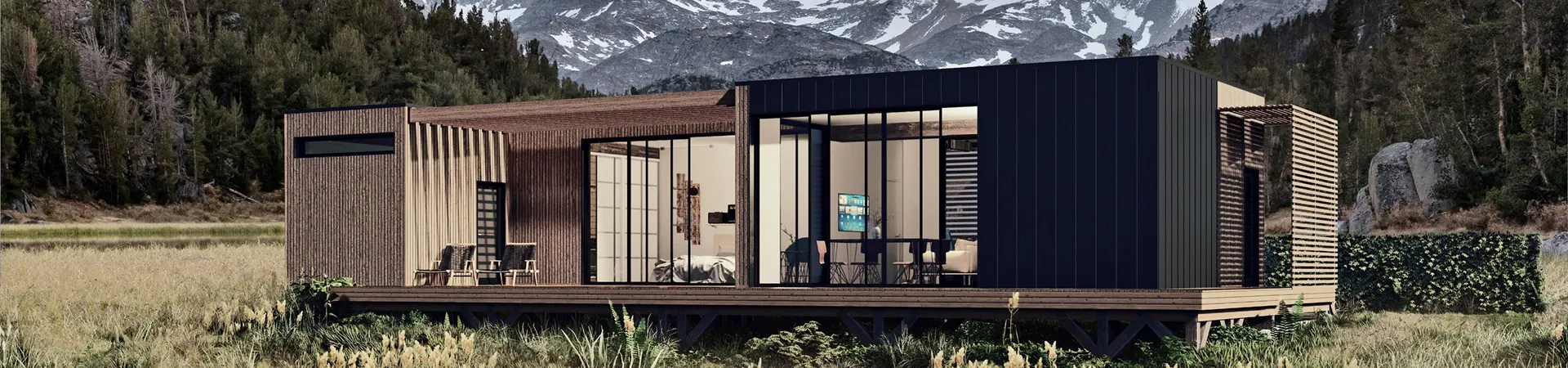
Why Choose a Prefabricated House for Your Next Project?
In recent years, the popularity of the Prefabricated House has surged. Homeowners and builders alike are drawn to its many benefits. Speed, cost-effectiveness, and customization options make it an attractive choice for diverse projects.
One of the key advantages is the reduced construction time. Unlike traditional methods, a Prefabricated House can be assembled quickly on-site. This efficiency can save both time and money, allowing for faster occupancy. Furthermore, the precision in factory production often enhances quality. However, this approach does require careful planning and expert knowledge to avoid potential pitfalls.
Environmental concerns also play a role in this growing trend. Many choose Prefabricated Houses for their sustainable materials and reduced waste. Yet, there are aspects to consider, such as transport emissions and site preparation. Thoughtful reflection on these factors will lead to better decision-making. Embracing the Prefabricated House can offer innovative solutions for modern living.
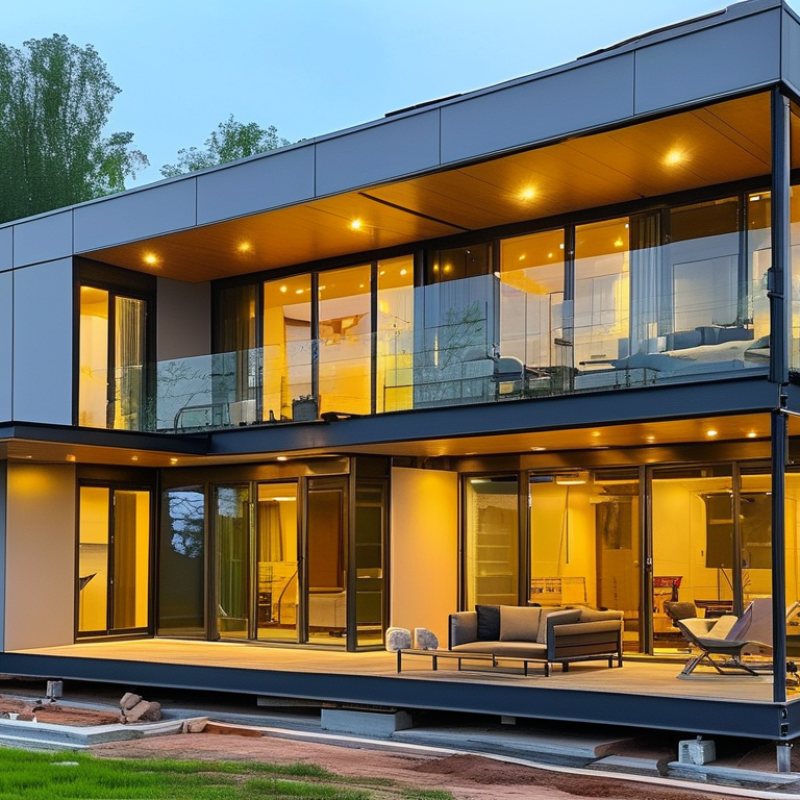
Benefits of Prefabricated Houses Compared to Traditional Construction
Prefabricated houses are gaining popularity due to their practical advantages. They are often less expensive than traditional constructions. With reduced labor and materials, these homes can save you money. Moreover, construction time is significantly shorter. A prefabricated house can be assembled in weeks, not months. This efficiency allows homeowners to move in faster.
Tips for selecting a prefabricated house: Consider the materials used. Quality matters. Also, check for environmental certifications. Sustainable options are often available. Think about the design flexibility. You can customize many features to fit your lifestyle.
However, prefabricated houses can have limitations. Some designs may feel less unique than custom-built homes. It's essential to ensure that your preferences are met. Seek professionals who have experience in this area. Their expertise can guide you in making the right decisions. Remember, not all prefabricated houses are created equal; research is vital.
Cost-Effectiveness of Choosing Prefabricated Housing Solutions
Prefabricated houses are becoming increasingly popular due to their cost-effectiveness. Reports indicate that homebuyers can save between 10% to 25% compared to traditional construction methods. This is primarily because prefabricated homes reduce labor costs and construction time. The average time to build a prefabricated house is about 10 to 14 weeks, compared to several months or even years for conventional builds.
Another significant advantage is that prefabricated housing often comes with fixed pricing. Clients face fewer unexpected costs since materials are engineered off-site and then assembled on-site. A study from the National Association of Home Builders found that nearly 70% of builders using prefabricated components reported cost efficiency. However, it’s essential to consider location and customization options. Some areas may have strict zoning laws that could lead to additional expenses.
Investing in a prefabricated home also means focusing on sustainability. Many prefabricated homes use eco-friendly materials, which align with modern buyers' values. Yet, the market still needs more variety in design and size. Homebuyers might find limited options that match their aesthetic preferences. While cost savings are evident, buyers should weigh these factors carefully before making a choice.
Time Efficiency: Quick Assembly and Reduced Construction Time
Choosing a prefabricated house revolutionizes construction efficiency. Quick assembly is one of the most appealing aspects. Traditional construction methods often drag on for months. Prefabricated homes, on the other hand, can be set up in a matter of weeks. This significant time saving allows homeowners to move in sooner, reducing waiting anxiety.
The process of off-site fabrication streamlines every step of construction. Components are manufactured in factories, ensuring quality control and consistency. Once on-site, the assembly is rapid. Workers can piece together walls, roofs, and flooring in days. However, challenges can arise if site prep is rushed. Quality foundation work is crucial for the longevity of the house.
Efficiency doesn’t come without its pitfalls. Depending on the design, some prefabricated homes may lack the unique character of traditional builds. Customization options exist but can increase lead times. Homeowners should weigh their needs and desires carefully. It's essential to sit down and reflect on the pros and cons before making a decision. The goal is to find the perfect balance between speed and individuality.
Sustainability and Environmental Impact of Prefabricated Homes
Prefabricated homes are gaining popularity for their sustainable advantages. These homes reduce waste during construction. Traditional building methods can generate a lot of excess materials. In contrast, prefabrication allows for precise measurements and efficient use of resources. This control leads to less environmental impact overall.
The manufacturing process of prefabricated homes is often less energy-intensive. Many materials can be recycled or repurposed, which is a significant benefit. However, not all prefabricated homes are created equal. Some may still use materials that are harmful to the environment. Buyers should research the sustainability practices of manufacturers carefully.
Another consideration is the energy efficiency of prefabricated homes. Many modern designs integrate smart technology and sustainable features. These innovations can lead to lower energy bills and a reduced carbon footprint. Yet, there are potential downsides; some homes may face issues with insulation or building quality. It's essential to address these concerns proactively. By making informed choices, homeowners can ensure that their prefabricated house is both sustainable and livable.
Customization Options Available in Prefabricated House Designs
Prefabricated houses offer significant customization options that appeal to a variety of tastes and needs. The flexibility in design allows homeowners to adapt layouts and select finishes that match their vision. According to a recent industry report, approximately 70% of buyers prioritize customizable features in their housing projects. This statistic underscores the demand for unique, tailored living spaces.
Customization in prefabricated houses can encompass everything from floor plans to exterior finishes. Homeowners can work with designers to create open spaces or cozy nooks, depending on their lifestyle preferences. Contemporary designs often feature sustainable materials, catering to eco-conscious consumers. However, the challenge remains in achieving the perfect balance between personalization and cost. Many homeowners hesitate to go too far with custom features, fearing skyrocketing expenses.
While prefabricated homes boast efficient construction timelines, the customization process may extend lead times. Additionally, there can be limitations based on structural requirements. Prospective buyers should remain mindful of these aspects. Effective communication with builders is crucial. Understanding the trade-offs involved can lead to better decisions. Ultimately, this balanced approach can help ensure that your dream home remains within reach.
Why Choose a Prefabricated House for Your Next Project? - Customization Options Available in Prefabricated House Designs
| Customization Option | Description | Benefits |
| Exterior Finishes | Choose from a variety of materials including wood siding, brick, or stucco. | Enhances curb appeal and can match local architectural styles. |
| Floor Plans | Select from various layouts or create a custom floor plan to suit your needs. | Maximizes space efficiency and meets specific lifestyle requirements. |
| Interior Design | Customize kitchens, bathrooms, and living spaces with different fixtures and finishes. | Creates a personal touch and ensures comfort for the inhabitants. |
| Energy Efficiency Upgrades | Options for solar panels, high-efficiency windows, and insulation upgrades. | Reduces energy costs and environmental footprint. |
| Outdoor Spaces | Options to add decks, patios, or landscaping to enhance outdoor living. | Increases property value and provides additional space for entertaining. |