The world of container building has transformed architecture in remarkable ways. Container buildings are not just a trend; they represent innovation and sustainability. They utilize repurposed shipping containers, giving new life to materials that would otherwise be discarded. This approach not only minimizes waste, but also showcases creativity in design.
These structures come in various forms, each with unique aesthetics and functionalities. Some serve as homes, while others become offices, cafes, or community spaces. The versatility of a container building allows designers to experiment with various layouts and styles. Yet, this creativity can sometimes overshadow practical concerns.
While many designs look stunning, it’s essential to consider usability and comfort. The compact nature of container buildings can lead to challenges in space management. Striking the right balance between form and function is crucial. As we explore the top 10 container building designs, we will celebrate their ingenuity but also recognize the need for thoughtful reflection on their long-term viability.
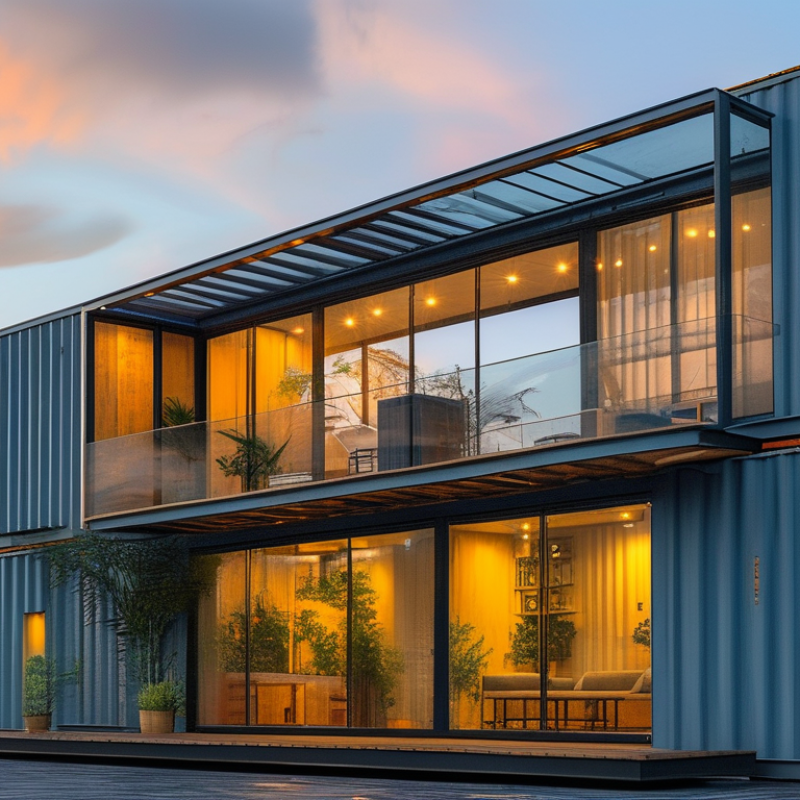
Innovative container homes are transforming how we think about living spaces. These structures offer a unique blend of sustainability and modern design. Repurposing shipping containers minimizes waste and reduces the environmental footprint. By altering these robust metal boxes, architects create functional homes that are both stylish and practical.
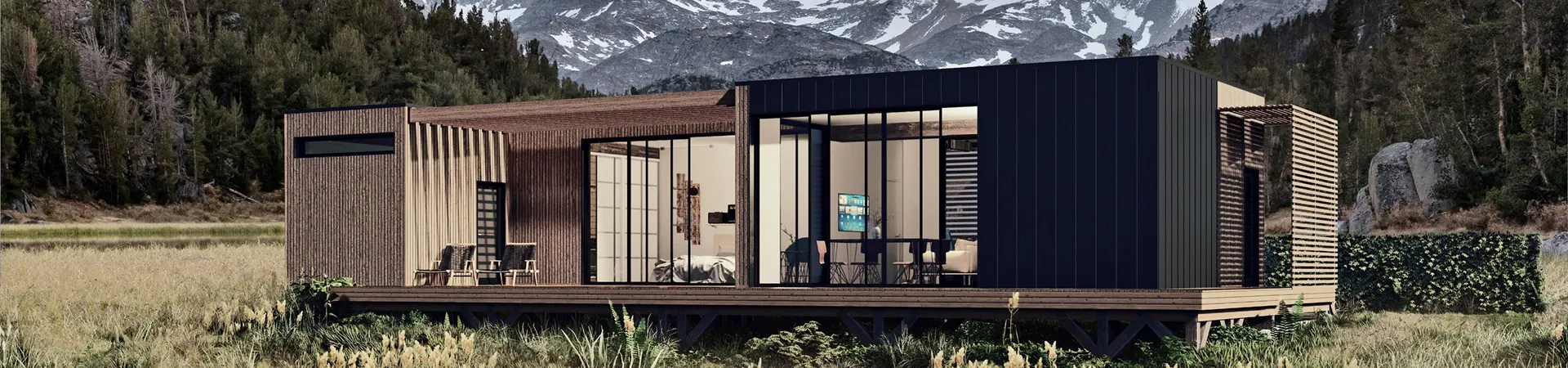
The possibilities are endless with container homes. They can be stacked, arranged, and connected in various ways. Some designs feature large windows for natural light. Others incorporate green roofs or decks, blending the structure with nature. However, the very characteristics that make container homes appealing can also pose challenges. Insulation, for example, can be an issue. Containers are metal, which means they can get hot or cold quickly. Careful planning is required to ensure comfort throughout the year.
Despite some obstacles, innovative container homes are a bold statement about future living. They reflect a shift towards eco-friendly building practices. These designs encourage a lifestyle that values sustainability and creativity. They represent a fresh approach to modern homes that can inspire new living trends.
| Design Name | Location | Size (sq ft) | Purpose | Unique Feature |
|---|---|---|---|---|
| Eco Retreat | Costa Rica | 400 | Holiday Home | Natural Harmony |
| Urban Oasis | New York, USA | 1,000 | Office Space | Green Roof |
| Seaside Escape | Malibu, USA | 600 | Vacation Rental | Panoramic Views |
| Mountain Lodge | Colorado, USA | 800 | Cabin | Rustic Design |
| Art Studio | Berlin, Germany | 500 | Creative Space | Industrial Finish |
| Tranquil Retreat | Bali, Indonesia | 450 | Wellness Center | Zen Garden |
| Rural Dwelling | Texas, USA | 700 | Family Home | Sustainable Materials |
| Luxury Villa | Dubai, UAE | 1,200 | Private Residence | High-Tech Features |
| Community Hub | Toronto, Canada | 900 | Public Space | Open Concept |
| Traveling Container | Various Locations | 300 | Mobile Home | Portable & Eco-friendly |
Sustainable design is no longer a trend; it’s a necessity. Container buildings exemplify this shift. They utilize repurposed structures and reduce waste significantly. According to a report by the Global Sustainable Building Network, eco-friendly construction can lower carbon emissions by up to 60%. This statistic illustrates the compelling impact of choosing shipping containers for living and working spaces.
Aesthetic appeal is key in these designs. Architects blend functionality with beauty. Large windows and modern finishes complement the raw industrial look of containers. However, these projects can sometimes overlook local regulations. Some areas have strict zoning laws that limit container heights or colors. This often leads to design challenges. Yet, thoughtful adaptations can enhance both compliance and creativity.
Moreover, while these buildings are innovative, they may not always be the most energy-efficient. Insulation is crucial in temperature regulation. A poorly insulated container can lead to high energy bills. A study by the International Journal of Sustainable Energy revealed that improper insulation in modular homes can increase energy use by 45%. Effective design must strike a balance between style and practicality.
Shipping containers are more than just transport vessels. They are innovative building blocks for modern architecture. Many architects are exploring unique ways to repurpose these containers. Their robust structure offers both durability and flexibility in design.
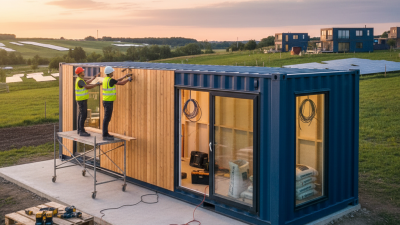
Container homes have gained popularity due to their cost-effectiveness and eco-friendly appeal. They can be stacked, arranged, and modified to create stunning residential or commercial spaces. One can envision a cozy home made of patterned containers, adorned with large windows for natural light. This design not only saves space but also showcases creativity.
Tip: When planning your container project, consider local climate impacts. Insulation and ventilation can greatly affect comfort levels inside. Also, think about the container layout. An efficient design can enhance both aesthetics and functionality. However, some challenges might arise, like ensuring structural integrity. Always consult with professionals for safety and compliance. Embrace the journey of creating something unique and sustainable.
Container structures have emerged as a versatile solution for various projects. These designs go beyond traditional uses. They can function as homes, offices, shops, and even community centers. The adaptability of containers allows for creative architectural expressions. For instance, stacking containers creates multi-level spaces with stunning views. Modifications, such as large windows and unique layouts, enhance their livability.
However, building with containers comes with challenges. Structural integrity is critical when joining multiple units. Insulation can be tricky in extreme climates. Some people find them too boxy or cold without customization. To make spaces feel inviting, adding natural materials can help. As more architects play with container designs, the focus shifts to creating not just functional but also aesthetic spaces. The potential is vast, yet it requires thoughtful planning and execution.
Container architecture has emerged as a fascinating trend in the building industry, showcasing innovative designs worldwide. According to a report by the Container Housing Association, modular container homes can reduce construction time by 30% and cut costs by up to 50%. Architects are utilizing shipping containers to create inspiring structures that are not only cost-effective but also environmentally friendly.
One exceptional project is a community center in the heart of the city, built from forty shipping containers. This structure serves various social programs and demonstrates how containers can support community engagement. The design features large glass windows and green roofs, enhancing aesthetic appeal. However, some challenges remain. For instance, the insulation of containers can be problematic, leading to temperature regulation issues.
Another noteworthy example is the use of containers for affordable housing. A report from the Urban Institute states that container homes can provide up to 60% more living space compared to traditional homes. Yet, public perception still struggles with associating containers with permanence and safety. While these buildings can be durable, their longevity is yet to be fully tested. Balancing aesthetics, utility, and sustainability continues to present a unique set of challenges for architects in the field.