

What Are the Key Findings from Recent Animal Studies?

Recent animal studies have provided valuable insights into various aspects of health, behavior, and biology. Researchers often turn to animal models due to their similarity to human physiology. This allows for the exploration of complex diseases and potential treatments in a controlled environment.

One notable finding involves understanding neurological disorders. For example, studies in mice have highlighted how certain genes affect brain function. Such discoveries could pave the way for new therapeutic approaches. However, challenges remain in translating these findings to human applications. Different species respond variably to treatments, making it crucial to approach results with caution.

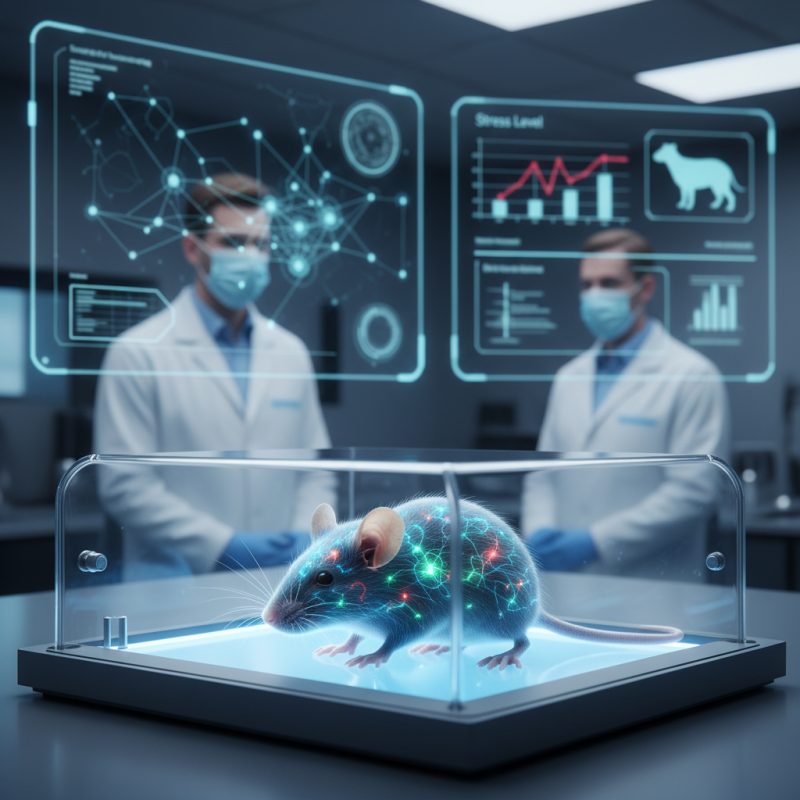
Additionally, animal studies often reveal the importance of environmental factors. Research has shown that stress in animals can lead to significant health changes. These observations urge us to reflect on the broader implications for human health. The complexity of interactions in animal studies sometimes leaves gaps in understanding, highlighting the need for further investigation.
What Are the Key Findings from Recent Animal Studies?

Key Discoveries in Animal Studies: A Comprehensive Overview

Recent animal studies have unveiled significant advancements in understanding biological processes. Researchers discovered unique behaviors in rodents that suggest social interactions impact stress responses. A report from the Journal of Neuroscience indicates that social animals exhibit lower cortisol levels in high-stress situations compared to solitary counterparts. This finding reinforces the importance of social structures in animal health.

Moreover, studies on primates revealed the potential for emotional contagion. Monkeys exposed to stressed peers showed elevated anxiety levels. The American Psychological Association's report highlights that these interactions may parallel human emotional responses, indicating deeper implications. However, the research also raises questions regarding ethical considerations in animal studies. The balance between knowledge acquisition and the welfare of animal subjects remains a point of contention.

In terms of drug testing, findings from recent experiments show mixed results. Animal models have not always accurately predicted human reactions. A significant percentage of preclinical trials fail during subsequent human studies. This inconsistency calls for a re-evaluation of methodologies. Researchers face challenges in bridging the gap between animal models and human applications. There’s a growing need for methods that ensure animal welfare while providing accurate scientific data.


Impact of Animal Models on Understanding Human Diseases

Recent animal studies have significantly impacted our understanding of human diseases. These models provide critical insights into complex biological processes. For instance, research has shown that over 80% of drug candidates fail in human clinical trials due to insufficient efficacy demonstrated in animal testing. This statistic underscores the importance of optimizing animal models.

Animal models help clarify disease mechanisms. For example, mice engineered to develop Alzheimer's disease reveal how beta-amyloid plaques accumulate in the brain. This discovery is crucial since Alzheimer’s affects millions worldwide. Studies suggest that insights gained from these models can lead to new therapeutic approaches. Yet, only about 30% of findings from animal studies translate effectively to humans, highlighting a significant gap in knowledge.

Further, ethical concerns surrounding animal research remain unresolved. Many advocate for stricter regulations. Others argue that the potential benefits for human health justify using animals in research. Striking the balance between scientific progress and ethical responsibility is complicated. Continuous reflection on these issues is necessary as we advance our understanding of diseases through animal models.

Impact of Animal Models on Understanding Human Diseases

Recent Advances in Animal Research Methodologies

Recent advances in animal research methodologies have transformed how scientists conduct studies. Improved techniques and technologies enhance data accuracy and reliability. For instance, non-invasive imaging allows researchers to observe animal behaviors without interference. This approach minimizes stress and provides insights into natural behavior patterns.

Ethical considerations have also evolved. Researchers are now more focused on animal welfare. Yet, challenges remain in balancing scientific needs and ethical standards. Some methods, while innovative, may still cause distress to the subjects. Reflecting on these practices is crucial for future studies.

Another notable advance is the use of models that better replicate human conditions. These models help in understanding diseases and testing treatments. However, not all findings from animal studies translate effectively to humans. Rigorous examination of these results is necessary. Scientists must remain vigilant in interpreting their findings wisely.

Ethical Considerations in Animal Studies

Animal studies play a crucial role in scientific research, but they raise significant ethical considerations. Researchers must ensure that animals are treated humanely. This includes providing adequate care, nutrition, and living conditions. Unfortunately, not all studies adhere to these guidelines, leading to distress among animals. For instance, some studies involve invasive procedures that cause pain. This type of treatment should not be taken lightly.

Ethical review boards are essential in safeguarding animal welfare. They assess research proposals to ensure compliance with ethical standards. However, even with oversight, some gray areas remain. Researchers may justify their actions for the sake of science, but this raises moral questions. Is the potential benefit worth the suffering inflicted on animals? The need for better alternatives, such as computer models, grows stronger each day.

Public awareness is vital in driving change. As society becomes more conscious of animal rights, demand for humane practices increases. A shift towards more ethical research methods is necessary. Continued dialogue about these issues is essential, pushing us to reflect on the true cost of our pursuit of knowledge. This ongoing conversation highlights the delicate balance between scientific advancement and ethical responsibility in animal studies.

Future Directions for Animal Research in Biomedical Sciences

Recent animal studies have revealed vital insights into biological mechanisms. However, the future direction of animal research remains a topic of discussion. As researchers continue to explore the complexities of diseases, questions arise about the applicability of animal models. Striking a balance between scientific rigor and ethical considerations is crucial moving forward.

Emerging studies show a significant increase in the use of genetically modified organisms. A report by the National Institutes of Health indicates that 60% of new biomedical research focuses on these models. Despite advancements, there are concerns regarding replicability. Researchers must ensure these findings translate effectively to human therapies. Moreover, collaboration across disciplines may foster innovative approaches, bridging gaps in existing knowledge.

The use of artificial intelligence in analyzing data from animal studies is on the rise. It could revolutionize the way researchers interpret results. However, the dependence on algorithms raises questions. Is there a risk of oversimplifying complex biological phenomena? These themes warrant careful contemplation as the field evolves. The goal should be to enhance understanding while remaining vigilant about limitations.

Article Source:

X
We use cookies to offer you a better browsing experience, analyze site traffic and personalize content. By using this site, you agree to our use of cookies. Privacy Policy
Reject Accept

Leave a Message to Download Our Brochure

X