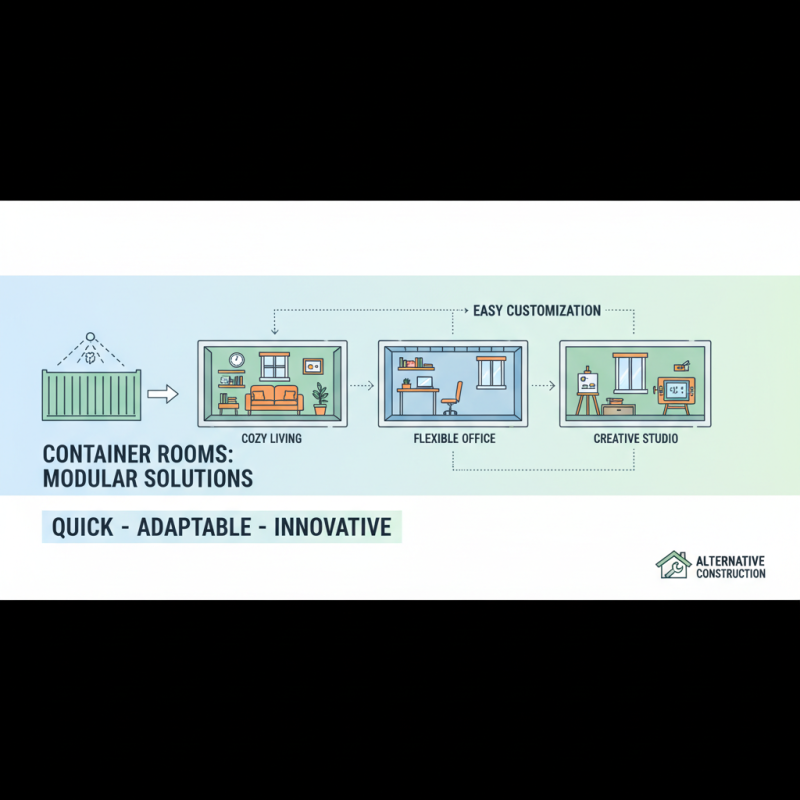
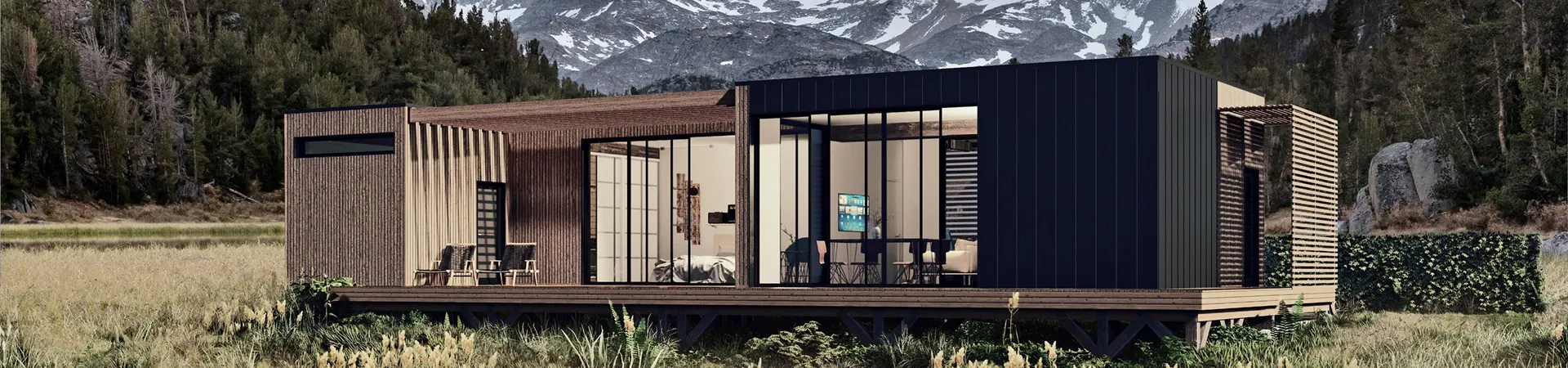
In recent years, the concept of a container room has gained significant popularity among those seeking innovative and sustainable living solutions. These versatile spaces, constructed from repurposed shipping containers, offer an eco-friendly alternative to traditional building methods while providing unique design opportunities. Whether you’re looking to create a compact living space, a home office, or an art studio, a container room can adapt to various needs and preferences.
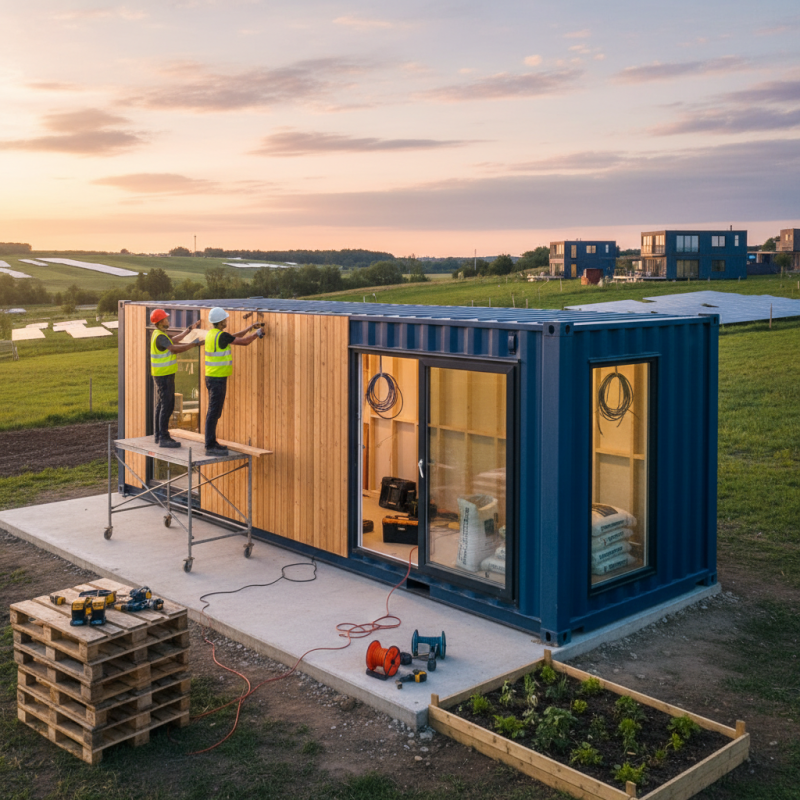
Building a container room may initially seem daunting for beginners; however, with the right guidance and careful planning, this project can be both rewarding and achievable. This step-by-step guide will walk you through the essential stages of constructing your very own container room, from selecting the appropriate container to interior finishing touches. With a focus on practical tips and safety considerations, you’ll be equipped with the knowledge to transform a simple metal box into a functional and stylish space that reflects your vision. Embrace the challenge and discover how a container room can enhance your lifestyle while minimizing your environmental impact.
Container rooms have emerged as a popular solution for various housing and workspace needs, providing an innovative alternative to traditional construction methods. One of the key advantages of container rooms is their modular nature, which allows for easy customization to suit individual requirements. This flexibility means that whether you're looking for a cozy living space, an office, or even a creative studio, a container room can be designed and configured to meet your specific needs.
Moreover, the durability and sustainability of container rooms cannot be overlooked. Made from robust steel, these structures can withstand harsh weather conditions, offering longevity that many traditional building materials cannot. Additionally, repurposing shipping containers for construction reduces waste and resource consumption, contributing to a more sustainable building practice. This eco-friendly approach is appealing not only for environmentally conscious individuals but also for those looking to minimize their carbon footprint while enjoying the benefits of modern living spaces.
When embarking on a container room project, selecting the right container is crucial to ensure the success and sustainability of your build. According to a report by the International Maritime Organization, there are over 17 million shipping containers currently in circulation around the world. This surplus presents both opportunities and challenges; it is vital to consider the container’s condition and type. Most projects benefit from using either standard 20-foot or 40-foot containers, as they provide ample space and structural integrity.
When evaluating containers, look for those that are wind and watertight. The Container Owners Association notes that a significant percentage of containers may have wear and tear that compromises their longevity. A thorough inspection for rust, structural damage, and the state of the container's doors will help determine usability. Containers made from corten steel are often favored for their durability and resistance to harsh weather conditions. Additionally, considering insulation and ventilation options is essential, especially for climate-sensitive projects, as such features enhance energy efficiency and comfort within the finished space. As a general guideline, investing time in selecting a quality container can greatly enhance the overall performance and aesthetic of your container room.
| Dimension | Value |
|---|---|
| Container Length | 20 ft |
| Container Width | 8 ft |
| Container Height | 8.5 ft |
| Interior Space | Approximately 140 sq ft |
| Weight Capacity | Approx. 52,910 lbs |
| Common Uses | Offices, Workshops, Storage |
| Insulation Types | Foam, Fiberglass, Spray Foam |
| Flooring Options | Plywood, Vinyl, Laminate |
| Window Types | Sliding, Casement, Fixed |
| Door Types | Standard, Double, Bi-Fold |
When preparing to build a container room, the initial step involves laying a solid groundwork. It is essential to select a site that is level and free from obstructions. The ground should be cleared of debris, vegetation, and any other materials to create a stable foundation. Consideration should also be given to the drainage of the site; ensuring proper water runoff will help prevent future issues with moisture and erosion. Stake out the dimensions of the container, marking the corners to visualize how space will be utilized effectively.
In addition to physical preparation, obtaining necessary permits is crucial for compliance with local regulations. Before commencing construction, check with local authorities regarding zoning laws and building codes, as these can vary significantly from one area to another. You may need to submit plans and pay a fee to receive approval. It is also wise to engage with neighbors and inform them about your project, as this can help avoid potential disputes later on. By ensuring that you have the requisite permissions and groundwork ready, you can facilitate a smoother container room construction process.
Designing and insulating your container room interior is a crucial step that significantly affects your overall comfort, energy efficiency, and functionality. A well-insulated container room can reduce energy consumption by up to 40%, providing a sustainable living solution. The most common insulation materials include spray foam, rigid foam boards, and fiberglass, each having its unique benefits. According to industry reports, spray foam insulation not only provides superior thermal performance but also acts as an air barrier, further increasing energy efficiency. On the other hand, rigid foam boards are also favored for their ease of installation and cost-effectiveness, making them a popular choice among beginners.
When it comes to designing the interior, it is essential to consider factors such as layout, natural light, and ventilation. Using light-colored materials can enhance the feeling of space, making the room feel more open and inviting. Incorporating windows and strategically placed vents can improve air circulation, crucial in a compact space like a container room. According to the American Society of Interior Designers, effective light management can increase productivity and emotional well-being, proving particularly beneficial for living and working environments. This not only enhances the aesthetic appeal but also promotes a healthier, more sustainable living space.
This bar chart illustrates the R-Value of insulation for various container room dimensions. Higher R-Values indicate better insulation effectiveness, which is crucial for maintaining temperature and energy efficiency in container rooms.
When constructing a container room, finishing touches play a crucial role in transforming a basic structure into a functional and appealing living space. Utilities, safety measures, and aesthetic enhancements are essential factors to consider. According to industry reports, nearly 45% of container home projects encounter delays due to overlooked safety standards and utility installations. It is vital to ensure that your space is equipped with proper electrical and plumbing systems, abiding by local codes to avoid future legal issues.
Tips: Always consult with a licensed electrician or plumber to plan the layout of utilities efficiently. This not only ensures safety but also maximizes space within the container. Moreover, investing in energy-efficient appliances can lead to long-term savings on utility bills.
Aesthetic enhancements can significantly elevate the visual appeal of your container room. Incorporating features such as natural lighting, ventilation, and outdoor spaces can create a more inviting atmosphere. Reports indicate that homes with ample natural light can achieve a 20% higher resale value. Simple additions like plants, artwork, and thoughtful color palettes can transform your container room into a warm, welcoming environment that aligns with your personal style.
Tips: Use light colors to make the space feel larger and invite natural light. Additionally, consider local climate factors when selecting materials and design elements to ensure your container room remains comfortable year-round.