How to Choose the Best Ceramic Toilet Pan?
Choosing the right Ceramic Toilet Pan affects comfort, hygiene, water use, and the bathroom’s long-term maintenance. A glossy white pan may look ideal in a showroom, yet its shape can feel awkward at home. Measure the available floor space, outlet position, and wall clearance before comparing designs. Fit matters.
Real bathroom projects often reveal details that product photos hide. A pan with a smooth, well-fired glaze is easier to clean after daily use. A stable base reduces movement, while a properly aligned trap helps prevent unpleasant odors. Small details matter. The seat height also deserves attention, especially for older users or anyone with limited mobility. Check the manufacturer’s installation guidance, water-efficiency information, and compatibility with local plumbing systems. These practical checks support a safer, more reliable purchase than appearance alone.
Quality should be judged through evidence, not impressive wording. Look for clear dimensions, durable ceramic specifications, replacement-part availability, and transparent warranty terms. Independent reviews can help, but they may reflect different installation conditions. No checklist is perfect. Even an experienced buyer can overlook cleaning access or a difficult-to-reach fixing point. That is why this guide compares design, material quality, flushing performance, installation requirements, and everyday comfort together. The best choice is not always the most expensive model. It is the Ceramic Toilet Pan that fits the room, suits its users, and continues performing reliably after the showroom shine fades.
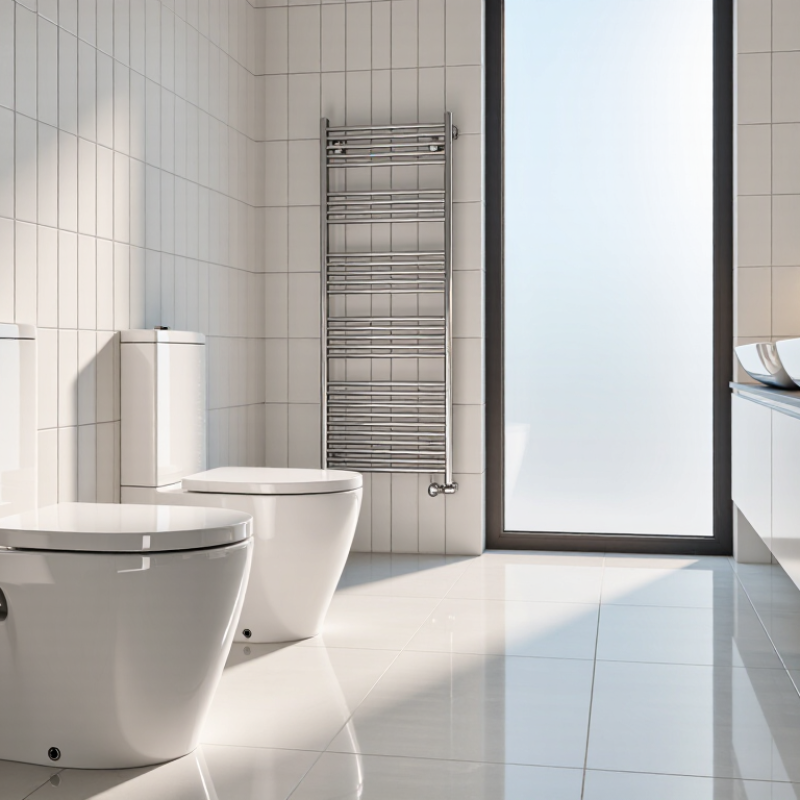
Define Your Bathroom Needs and Installation Conditions
Choosing a ceramic toilet pan starts with your bathroom, not the showroom. Measure the room length, width, and available door clearance. A large pan can make a small bathroom feel cramped. Check the rough-in distance from the finished wall to the waste outlet. This measurement must match the pan’s specifications. Small errors can create expensive installation problems.
Examine the existing plumbing carefully. Identify whether the waste outlet is in the floor or wall. Confirm the water inlet position, pipe condition, and available water pressure. Uneven floors may require professional adjustment before installation. A licensed plumber can verify drainage angles and local installation requirements. This step improves reliability and helps prevent leaks behind the ceramic base.
Think about daily users, too. Families may need a comfortable seat height and an easy-clean shape. Older users often benefit from a higher pan and safer access. In a guest bathroom, compact dimensions may matter more than extra features. I once focused on appearance and ignored cleaning space around the base. That choice was inconvenient. Leave enough room for a mop, service tools, and hand movement. Smooth glazed ceramic usually cleans easily, but complicated curves can collect residue. Check the pan’s weight against the floor structure, especially in older buildings. Product drawings and installation instructions deserve careful reading, even when the pan looks straightforward.
How to Choose the Best Ceramic Toilet Pan?
Define your bathroom needs and installation conditions before selecting a toilet pan.
The chart shows common nominal rough-in dimensions used when planning floor-mounted toilet installation. Measure from the finished wall to the center of the waste outlet, then compare the result with the toilet pan specification. A 305 mm rough-in is widely used, while 250 mm and 356 mm options may be suitable for compact or larger bathroom layouts.
Compare Toilet Pan Shapes, Sizes, and Bowl Configurations
Choosing the best ceramic toilet pan starts with the room, not appearance. Bowl shape affects comfort, cleaning, and usable floor space. Round bowls suit compact bathrooms because their shorter projection leaves more knee room. Elongated bowls usually provide better thigh support, especially for taller users. Compact elongated models balance both needs. No shape is perfect.
Measure the available area from the finished wall to the front of the pan. Include skirting boards, doors, and nearby cabinets in this check. Measure twice. A pan that fits on paper may block a door after installation. Seat height also matters; a slightly taller configuration can help some adults, but children may find it less comfortable. Check the outlet position and water connection before ordering. These details prevent expensive changes.
Bowl configuration changes maintenance and installation requirements. Rimless interiors can reduce hidden areas, while conventional rims may need more careful scrubbing. One-piece pans have fewer joints and a cleaner profile. Two-piece designs can be easier to carry through narrow entrances and replace separately. Wall-hung configurations create visible floor space, yet they require a properly supported concealed frame. Ask a qualified installer to verify the floor, waste route, and rough-in dimensions. I would not choose solely from a showroom photograph; proportions often look different in a real bathroom.
Check Flushing Performance, Water Use, and Cleaning Features
Choosing a ceramic toilet pan requires more than comparing shape and price. Flushing performance should be tested with clear criteria. A strong flush should move waste through the trapway without repeated attempts. If possible, watch a live demonstration. Listen for weak water movement. That small detail matters.
Check the rated water use per flush, not just the promotional wording. Dual-flush models can reduce consumption when the smaller button works reliably. However, a low-volume flush may struggle with heavy waste. Ask for certified performance data and compare it with your household needs. A family bathroom may need stronger everyday performance than a lightly used guest toilet. Water-saving claims deserve careful checking.
Cleaning features also affect long-term hygiene and maintenance. Look for a smooth, fully glazed bowl with fewer sharp corners. A concealed rim can reduce hidden areas, but it still needs inspection during cleaning. I once preferred a stylish pan with a narrow rim, then found it difficult to reach underneath. That was my mistake. Check the seat hinges, trapway opening, and access around the base. A removable seat can make routine cleaning easier. Avoid assuming “easy clean” means maintenance-free. Dust, mineral deposits, and splash marks still appear. Examine these details in person, if possible.
Match the Toilet Pan With Your Budget and Bathroom Style
Choosing a ceramic toilet pan begins with the total budget, not the shelf price. A low-cost pan may require extra fittings, floor adjustments, or a separate soft-close seat. Measure the rough-in, bathroom width, door swing, and waste outlet before comparing models. I once measured the bowl but ignored the door clearance. The installation became unnecessarily awkward. That mistake still influences my recommendations.
For a modest budget, choose a durable glazed surface, a practical rim design, and a readily available flush mechanism. These features matter more than decorative curves. Ask the installer about water use, cleaning access, and replacement parts. A written warranty and clear installation instructions can reduce future uncertainty. Leave money for delivery and professional fitting. Hidden costs are common.
Match the pan’s shape to the room’s visual language. A compact close-coupled pan suits a traditional bathroom and usually simplifies installation. A wall-facing design creates cleaner lines and hides some pipework, but it can cost more. In a small room, a short-projection pan may preserve knee space without looking cramped. White ceramic reflects light and works with most tiles, while softer tones need careful color matching. Check the glaze under daylight. Showrooms can distort color. I am not fully convinced that the most expensive pan always feels better; comfort depends on height, bowl shape, and personal use. Confirm local plumbing requirements with a qualified professional before ordering.
How to Choose the Best Ceramic Toilet Pan? - Match the Toilet Pan With Your Budget and Bathroom Style
| Budget Level | Typical Price Range | Recommended Toilet Pan Type | Common Features | Best Bathroom Style | Key Selection Advice |
| Basic | US$150–US$300 | Two-piece close-coupled ceramic pan | Standard white vitreous china, gravity flush, exposed cistern, floor-mounted design | Traditional, rental, guest bathroom | Confirm the rough-in distance, outlet direction, seat compatibility, and water-efficiency rating before purchase. |
| Mid-range | US$300–US$700 | Rimless or compact one-piece ceramic pan | Easier-to-clean bowl, concealed or skirted trapway, dual-flush mechanism, soft-close seat often available | Modern, contemporary, family bathroom | Prioritize flush performance, internal glazing, comfortable seat height, and easy access to service parts. |
| Premium | US$700–US$1,500+ | Wall-hung or high-performance rimless ceramic pan | Concealed cistern, adjustable frame, smooth skirted exterior, advanced flush technology, premium seat options | Minimalist, luxury, hotel-style bathroom | Check wall strength, frame capacity, installation depth, access panel size, and the cost of specialist installation. |
Ceramic Toilet Pan Comparison by Practical Selection Criteria
| Selection Dimension | Recommended Range or Standard | Why It Matters | What to Check Before Buying |
| Toilet pan width | Approximately 350–400 mm for many standard models | Affects available side clearance and movement around the toilet. | Measure the finished wall width and allow comfortable clearance on both sides. |
| Overall projection | Compact models: about 600–650 mm; standard models: about 650–750 mm | Determines how much floor space the toilet occupies. | Measure from the finished wall to the front-most point of the pan, including the seat. |
| Seat height | Standard: approximately 390–420 mm; comfort height: approximately 430–480 mm | Higher seats can improve comfort for taller users and people with limited mobility. | Check the finished seat height rather than the pan height alone. |
| Flush water usage | Common dual-flush settings: approximately 3/4.5 L or 3/6 L | Lower water consumption can reduce household water use when flushing performance remains effective. | Look for independently tested flush performance and verify local water-efficiency requirements. |
| Rim design | Open rim or rimless | Rimless designs generally expose fewer concealed areas where dirt and bacteria can collect. | Confirm that the flush pattern provides complete bowl coverage and low splash. |
| Installation type | Floor-mounted or wall-hung | Wall-hung pans create a visually lighter appearance and simplify floor cleaning, but require concealed structural components. | Match the pan to the waste outlet, mounting frame, wall construction, and available service access. |
| Surface finish | Smooth, fully glazed vitreous china | A uniform glaze helps resist staining and makes routine cleaning easier. | Inspect the glaze for pinholes, uneven areas, cracks, discoloration, or sharp edges before installation. |
Price ranges are indicative retail estimates in US dollars and may vary by region, installation requirements, materials, and included accessories.