What Is the Best Pre Fab Building Supplier in China?
Choosing the best pre fab building supplier in China requires more than comparing prices on a website. Buyers should examine factory capability, material quality, engineering support, and project communication. A reliable supplier can explain steel grades, panel thickness, insulation performance, and structural calculations in clear language. Vague answers deserve attention.
In practice, a serious evaluation begins with evidence. Review factory photographs, production records, quality certificates, and completed projects with similar designs. If possible, arrange a video inspection or an independent factory audit. Look closely at welding lines, roof joints, drainage details, door frames, and protective coatings. These small areas often reveal workmanship better than polished brochures. Ask how the supplier manages wind loads, snow loads, fire resistance, and local building requirements. Qualified engineers should provide drawings that match the actual site conditions.
Delivery planning also matters. Confirm the container loading method, packaging, installation guidance, spare parts, and response time after delivery. A low quotation may exclude foundations, transport, or technical supervision. That mistake can become expensive. No supplier is perfect, and project risks cannot disappear completely. I may be overly cautious, but written specifications usually protect both sides better than friendly promises. The strongest candidate combines transparent pricing, documented experience, responsive service, and consistent manufacturing standards. This guide compares those qualities carefully, helping buyers select a Chinese pre fab building supplier with greater confidence and fewer unexpected problems.
Define Prefab Building Types Under China’s GB/T 51231-2016 Standard
What Is the Best Pre Fab Building Supplier in China?
Under China’s GB/T 51231-2016, “prefabricated building” needs careful definition. This standard mainly addresses assembled concrete buildings, not every factory-made structure. It covers buildings using precast concrete components, such as columns, beams, floor slabs, exterior walls, stairs, and other integrated elements. These parts are produced in a controlled facility, transported to the site, and connected through approved construction methods.
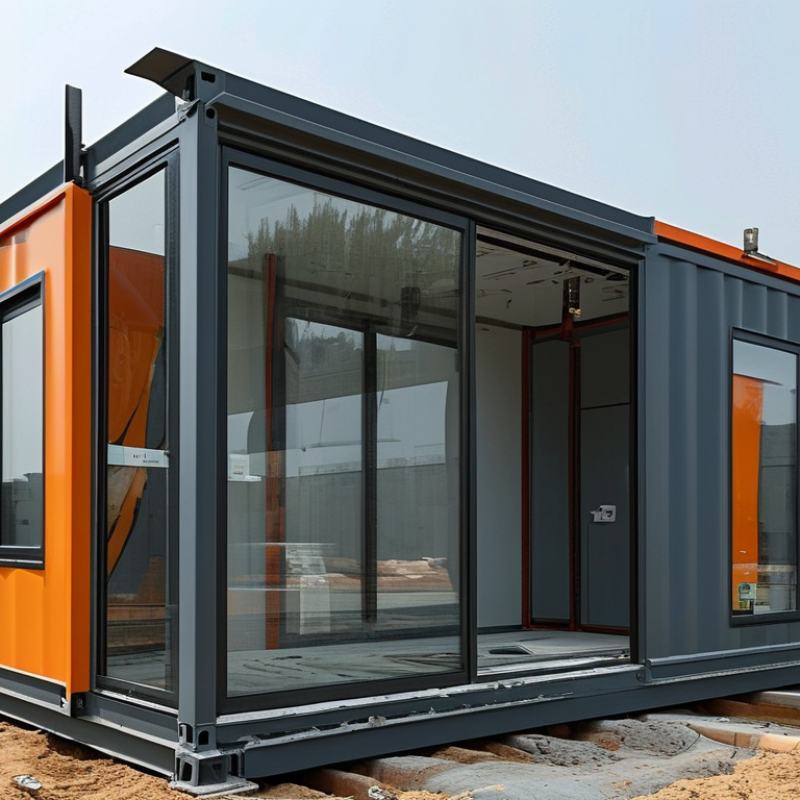
Steel and timber prefabricated buildings follow different technical standards, including GB/T 51232 and GB/T 51233. Temporary cabins and simple container units should not automatically be described as assembled buildings under GB/T 51231-2016. That distinction matters when comparing suppliers in China. A reliable supplier should provide component drawings, connection details, production records, inspection documents, and installation guidance. Site tolerances also deserve close attention. Small errors in embedded plates can create serious delays.
In practical supplier reviews, the cheapest quotation is rarely the clearest choice. Ask whether the factory controls curing, reinforcement placement, dimensional checks, and lifting points. Request evidence from similar projects, not only attractive photographs. A capable supplier should explain how design, manufacturing, transport, and erection work together. Still, no supplier is perfect. Some project information may remain incomplete, especially during early design. A careful buyer should verify every technical assumption with qualified engineers and local authorities.
Set Supplier Criteria: ISO 9001, Factory Capacity, and Export Experience
What Is the Best Pre Fab Building Supplier in China?
Choosing the best prefabricated building supplier starts with measurable criteria, not attractive catalog images. ISO 9001 certification is a useful signal, but it requires careful checking. Confirm the certificate is current and covers the factory’s actual production scope. Ask how inspections are recorded, from steel cutting to final packing. Request sample quality reports, welding procedures, and material traceability documents. A paper can look perfect. The process matters more.
Factory capacity also needs physical evidence. Review the production floor, storage areas, welding stations, and loading equipment through a live video tour or site visit. Ask for monthly output, current order volume, and peak-season lead times. A large claimed capacity may depend heavily on subcontractors. That is not always a problem, but it should be disclosed clearly. I would also compare a supplier’s promised schedule with its recent delivery records.
Export experience shows whether a factory can manage details beyond manufacturing. Request references from similar overseas projects, anonymized shipping records, packing photographs, and installation instructions. Check whether the supplier understands destination building codes, documentation requirements, and communication across time zones. Do not rely only on years in business. A newer team with disciplined procedures may outperform an older one. My own review would include one uncomfortable question: what happens when dimensions change after approval? The answer often reveals more than a polished presentation.
What Is the Best Prefab Building Supplier in China?
This screening framework assigns a maximum of 100 points across three practical supplier criteria:
ISO 9001 certification confirms the presence of a documented quality-management system, factory capacity
indicates the ability to support project volume, and export experience reflects familiarity with international
documentation, logistics, and compliance requirements.
Compare Modular Construction’s 20–50% Schedule Advantage (McKinsey)
What Is the Best Pre Fab Building Supplier in China?
The best prefab building supplier is not simply the cheapest factory. Schedule performance matters more. McKinsey’s construction productivity research reports that modular projects can achieve a 20–50% schedule advantage over conventional construction. This difference can mean earlier occupancy, fewer site delays, and lower temporary labor costs. A factory may complete wall panels while foundations cure elsewhere. That parallel workflow is the practical engine behind the saving.
The advantage is not automatic. A supplier needs controlled production, accurate drawings, reliable material records, and experienced site coordination. The Modular Building Institute reports that off-site construction can improve quality through repeatable factory processes. However, transport damage, poor tolerances, or late design changes can erase those gains quickly. I would request production samples, inspection records, factory acceptance procedures, and a project schedule with measurable milestones.
Look closely at the handover details. Ask who checks welds, insulation thickness, moisture protection, and connection tolerances. Independent testing is valuable. So is a clear list of exclusions. McKinsey also notes that modular construction requires earlier design decisions than traditional building. That can feel restrictive, especially when clients keep changing layouts. In my experience, the strongest supplier is the one that documents risks early, admits technical limits, and links factory output to the real site program—not just a promised delivery date.
Audit Materials, Structural Safety, Energy Codes, and Quality-Test Records
The best prefabricated building supplier in China should survive a document audit, not just present attractive renderings. Ask for steel mill certificates, concrete mix designs, fastener grades, and traceable batch numbers. Each certificate should match the delivered material. A missing heat number is a small warning with serious consequences.
Structural safety requires evidence from design to installation. Request stamped calculations, wind and seismic assumptions, welding procedure records, weld inspection results, bolt-torque logs, and concrete cube-test reports. Independent laboratory testing adds credibility. China’s mandatory standard GB 55001-2021 requires quality control throughout construction, while GB 55015-2021 addresses building energy efficiency and carbon emissions. Paperwork alone is insufficient. A spreadsheet can still lie.
Energy performance deserves measured attention. The 2023 UNEP Global Status Report for Buildings and Construction states that buildings consume about 32% of global energy and create approximately 34% of global CO2 emissions. Therefore, verify insulation thickness, thermal-bridge details, window U-values, air-tightness results, and HVAC efficiency against the project’s local code. Request factory inspection records, dimensional checks, coating-thickness readings, and nonconformance reports. A supplier willing to show failed tests may be more trustworthy than one showing only perfect results. That point is uncomfortable, but realistic. Site acceptance should repeat critical checks, because transport damage and rushed assembly can weaken an otherwise sound system.
Rank China Suppliers by Total Cost, Delivery Risk, Warranty, and After-Sales Service
The best prefabricated building supplier in China is not always the lowest bidder. A practical ranking should compare total cost, delivery risk, warranty strength, and after-sales service. I recommend scoring each supplier with documented evidence, not sales promises. Request factory audit records, material certificates, project references, and a detailed quotation. Small omissions can become expensive later.
Total cost includes design changes, packaging, inland transport, customs handling, installation support, and replacement parts. A cheap quotation may exclude foundations, insulation upgrades, or electrical testing. Delivery risk deserves equal attention. Check production capacity, shipping routes, weather exposure, port congestion, and backup plans. Ask for a milestone schedule with inspection dates and penalties for avoidable delays. Keep it specific.
Warranty terms should state coverage periods, exclusions, response times, and labor responsibilities. A reliable supplier provides labeled spare parts and clear installation drawings. After-sales support is stronger when technicians respond through a defined channel and keep case records. Video guidance helps, but it cannot replace field assistance for structural or waterproofing problems. No ranking is perfect. Local regulations, site access, and seasonal shipping conditions can change the result. One overlooked assumption may distort the entire comparison.