

Best Martial Arts Mats for Training How to Choose the Right One?

Selecting the right martial arts mat is crucial for effective training. A quality mat can enhance your performance and prevent injuries. It serves as your foundation, supporting various techniques and movements.

When choosing a martial arts mat, assess your training needs. Consider the type of martial art you practice. The thickness, material, and texture play vital roles. For instance, softer mats might be suitable for grappling. In contrast, firmer mats support striking arts well.

Pay attention to the space you have. A compact area might require portable mats. Don’t forget about maintenance, as some mats are easier to clean. Prioritizing the right features ensures a safe environment. Your choice should reflect both your skill level and training style.
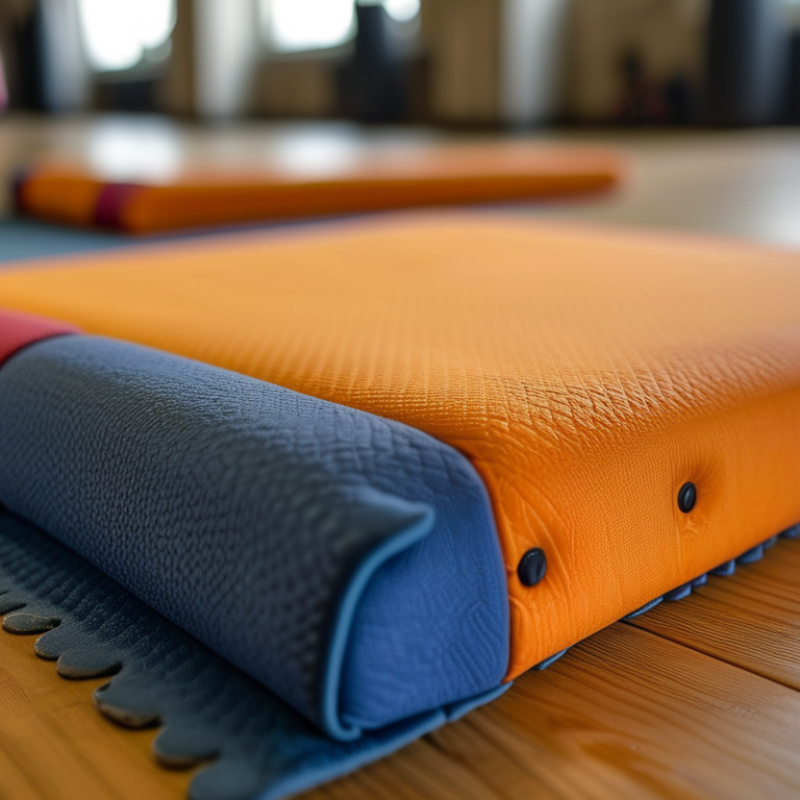
Best Martial Arts Mats for Training How to Choose the Right One?

Understanding Different Types of Martial Arts Mats Available in the Market

When selecting martial arts mats, understanding the available types is crucial. There are a few primary categories: foam mats, puzzle mats, and vinyl-covered mats. Foam mats provide excellent shock absorption, which is vital for high-impact activities. They typically come in various thicknesses, ranging from 1 inch to 2.5 inches. A popular choice for many dojos and studios, these mats help prevent injuries during training. Some sources suggest that using proper mats can reduce the likelihood of injuries by up to 40%.

Puzzle mats are another option. They are easy to assemble and disassemble, making them ideal for temporary training spaces. These mats are generally thinner but can still offer decent traction. However, their durability may be questioned when used frequently for heavy practices. Reports indicate that many martial artists find durability varies widely, depending on the brand and material used.

Vinyl-covered mats are designed for professional settings. They often have a harder surface but are easier to clean. These mats are suitable for grappling arts like Brazilian Jiu-Jitsu. One drawback noted in industry surveys is their cost, as they can be significantly more expensive than foam or puzzle mats. Ideally, the choice of mat should align with the specific martial art style, training frequency, and available budget, recognizing that no mat is perfect for every scenario.


Key Features to Consider When Choosing Martial Arts Mats

Choosing the right martial arts mats is essential for effective training. Key features play a significant role in ensuring safety and performance. Look for thickness, which is vital for shock absorption. Mats that are too thin can lead to injuries during falls. Reports show that mats with a thickness of at least 1 inch are recommended for most martial arts, providing adequate cushioning for different techniques.

Material is another crucial aspect. High-density foam and vinyl coverings are common choices. They offer durability and ease of cleaning, which are important for hygiene in training environments. Additionally, consider the mat's surface texture. A textured surface provides traction, reducing the risk of slipping during intense drills. According to a study, mats with a slightly tacky surface enhance grip while allowing for smooth transitions between movements.

Portability may also influence your choice. If you frequently change locations, lightweight mats can be transported easily. However, keep in mind that these can sometimes compromise quality. It's a balancing act between convenience and durability. Investing in the right mats can significantly improve training outcomes. However, measure your space carefully before purchasing. The wrong size can lead to wasted resources. Think about these factors, as they will impact your martial arts journey significantly.

Assessing Thickness, Density, and Material for Comfort and Safety

Choosing the right martial arts mat involves assessing thickness, density, and material for comfort and safety. Thickness significantly impacts cushioning. A standard thickness ranges from 1 inch to 2 inches. According to a survey by the Martial Arts Industry Association, mats with 1.5 inches of thickness are preferred for grappling and striking arts. They provide enough shock absorption but still allow for stability.

Density is equally crucial. Higher density mats absorb impact better, reducing the risk of injury. Research indicates that foam density over 16 kg/m³ can improve performance in training sessions. It supports large movements, enhancing overall safety. However, overly dense mats can become too firm, leading to discomfort. Finding a balance is essential for optimal results.

Material choice plays a vital role as well. EVA foam is popular for its durability and ease of cleaning. Yet, some practitioners favor rubber for its slip resistance. Each material has unique benefits, but limitations exist too. For example, rubber may emit odors or be heavier, complicating portability. It's critical to weigh these factors to find the ideal mat for your specific training needs.

Evaluating Maintenance and Durability of Martial Arts Mats

When selecting martial arts mats, durability and maintenance are crucial factors. High-quality mats can last for years, but wear and tear must be considered. A study by the International Martial Arts Association suggests that mats typically have a lifespan of 5-8 years with regular maintenance. However, neglect can lead to quicker deterioration, with some mats showing signs of wear within 1-3 years.

Regular cleaning is essential for maintaining mat longevity. Dirty mats can degrade material if not properly managed. Mats should be wiped down after each training session. This simple practice can prevent odors and bacteria buildup. It’s advisable to use pH-balanced cleaners to avoid damaging the mat surface.

Tip: Check mats for tears or punctures weekly. Immediate repair can save costs long-term.

Different types of materials exhibit varying durability levels. Vinyl and foam mats are popular but can wear out in high-traffic areas. In contrast, rubber mats are more resilient but might be heavier and pricier. Evaluating your training frequency and intensity will influence your choice.

Tip: Choose mats based on specific training styles. They may require distinct padding and support.

Investing in the right mat can greatly impact your training experience. Assess your needs honestly to make the best choice.

Price Comparison and Budgeting for Quality Martial Arts Mats

When choosing martial arts mats, budgeting is crucial. Quality mats vary significantly in price. Some may cost a few dollars per square foot, while others can reach higher price points. It’s essential to balance cost with quality. Cheaper mats often sacrifice durability. They may wear out quickly, forcing you to spend more later. Identifying your training needs can guide your budget.

Consider the type of martial art you practice. For grappling arts, thicker, cushioned mats provide better support. For striking arts, a firm surface may be more appropriate. Calculate the size of the practice area. Don’t forget about maintenance costs. Some mats require special cleaning products. Check for warranties, as they indicate manufacturer confidence.

Look for user reviews and comparisons. Some online forums discuss various mats in detail. It's helpful to read about real experiences. Everyone has different preferences. A well-researched decision can save money in the long run. Reflect on your training intensity and frequency. Spending wisely ensures you have a suitable mat for years.

Best Martial Arts Mats for Training: How to Choose the Right One?

Type of Mat Size (ft) Thickness (in) Material Price ($)
Foam Mat 4 x 6 1 EVA Foam 50
Tatami Mat 3 x 6 2 Polypropylene 80
Martial Arts Puzzle Mat 5 x 10 1.5 High-Density Foam 120
Roll-Out Mat 6 x 12 2 Vinyl-Coated Foam 200
Canvas Mat 4 x 8 1 Cotton Canvas 90
X
We use cookies to offer you a better browsing experience, analyze site traffic and personalize content. By using this site, you agree to our use of cookies. Privacy Policy
Reject Accept

Leave a Message to Download Our Brochure

X