Top 10 Benefits of Modular Buildings for Modern Construction

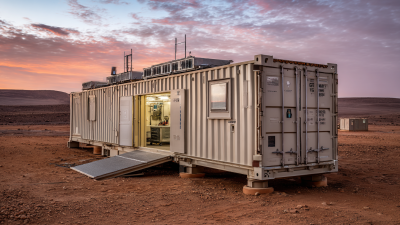
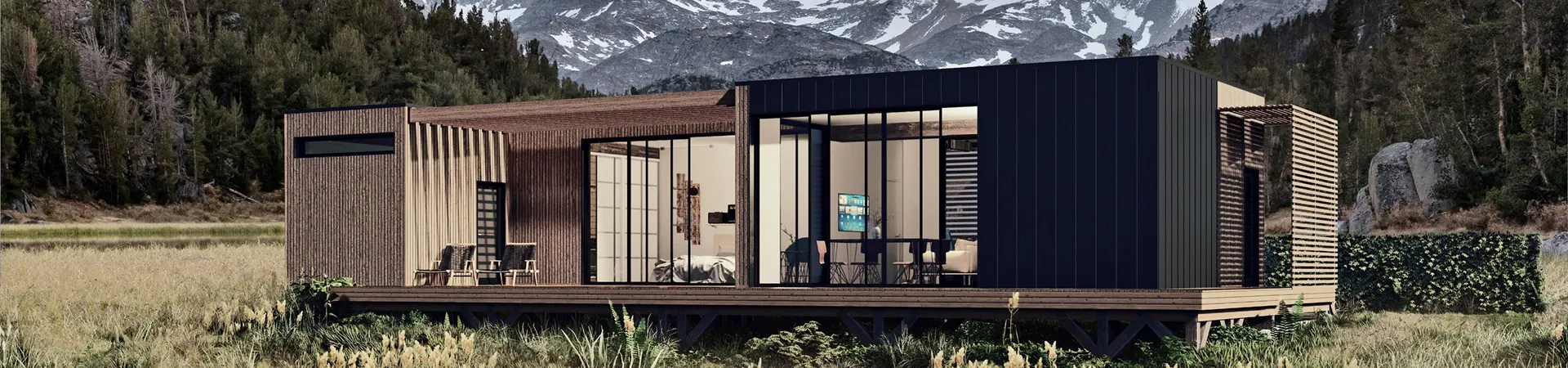
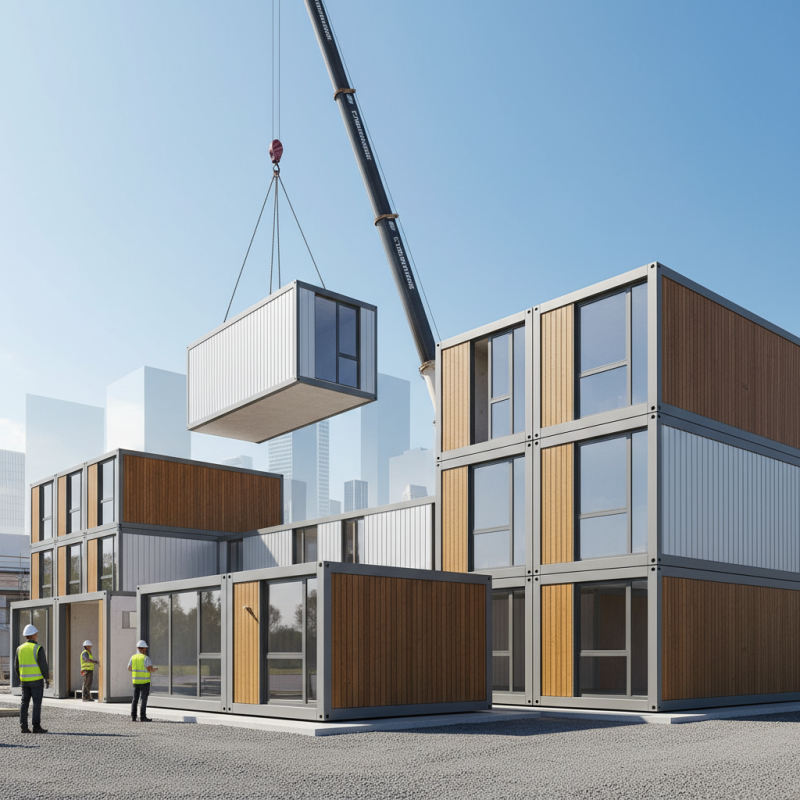
The construction industry faces constant challenges, including high costs and project delays. **Modular building** offers a compelling solution. According to the Modular Building Institute, modular construction can reduce project timelines by up to 50%. This innovative approach involves prefabricating building sections off-site, which significantly speeds up the construction process.

Additionally, modular buildings can lead to cost savings of around 10-20%, as labor and material expenses decrease. However, some may argue that the upfront costs for modular systems can be higher. Yet, when considering long-term savings, they often prove to be a wise investment. Enhanced energy efficiency is another advantage, as modular buildings can meet or exceed green building standards.

Despite these benefits, misconceptions linger about the aesthetics and durability of modular structures. Addressing these concerns is essential as the industry evolves. Overall, embracing modular building may be a pivotal shift for modern construction, opening avenues for innovation while still requiring thoughtful evaluation of industry practices.
Top 10 Benefits of Modular Buildings for Modern Construction

Benefits of Speedy Construction with Modular Building Techniques
Top 10 Benefits of Modular Buildings for Modern Construction

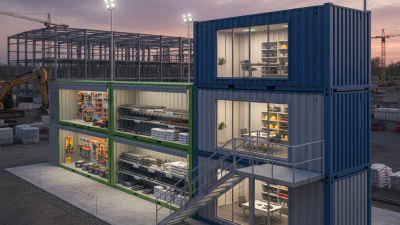
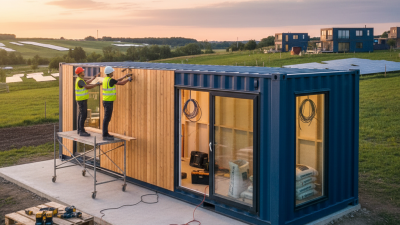
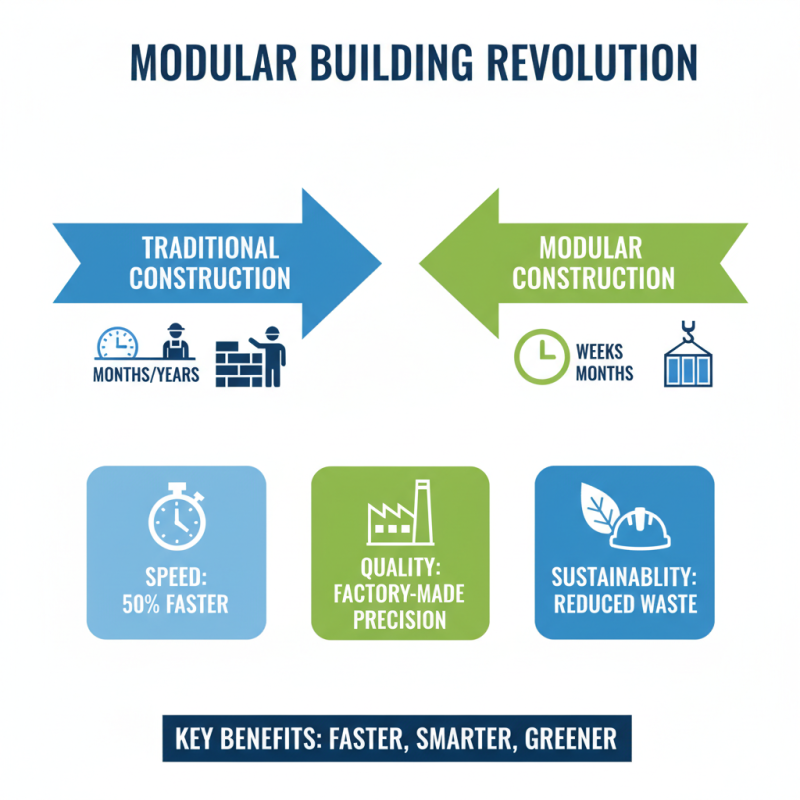
Modular building techniques have revolutionized modern construction. They offer remarkable speed in construction processes. Traditional methods can take months, if not years. In contrast, modular buildings can be completed in a fraction of that time. Factories pre-fabricate sections off-site, leading to fewer delays caused by weather or material shortages. Each module arrives on-site ready to be assembled quickly.

Workers on-site often experience less disruption compared to traditional builds. This paced approach allows for simultaneous site preparation and module construction. Yet, rapid construction doesn’t come without its challenges. Coordination is critical, and miscalculation can lead to costly delays. Each module must fit precisely, requiring meticulous planning. While the time savings are immense, one must balance speed with quality control. Fast isn’t always better if the materials or workmanship are compromised. Successful projects often involve continuous reflection and adjustment to streamline processes further.
Cost Savings: How Modular Buildings Reduce Overall Project Expenses

Modular buildings are changing the landscape of modern construction. They offer significant cost savings, making them an attractive option for many projects. By fabricating components in a controlled factory setting, projects can avoid expensive delays caused by weather conditions. This efficient production method leads to quicker construction timelines, allowing for early occupancy.

The precise assembly of modular buildings reduces waste significantly. With materials being cut to exact specifications, less material ends up in landfills. This approach not only saves money, but it also contributes to a more sustainable building process. However, it’s important to note that initial investment may be higher, leading some to hesitate. The overall project expenses, though, often prove to be lower in the long run.

Additionally, modular buildings utilize advanced construction techniques. These techniques can result in a more streamlined and cohesive building process. Yet, there can be challenges in design flexibility. Some clients might find the options limiting compared to traditional construction. Overall, the financial benefits are clear, but careful consideration is required to navigate the potential drawbacks.

Sustainability and Reduced Waste in Modular Construction Practices

Modular construction practices emphasize sustainability in modern building techniques. By fabricating structures in controlled environments, waste is significantly minimized. Off-site assembly helps reduce excess materials, leading to a cleaner worksite. Each module can be designed to exact specifications, ensuring that no resources are wasted. This efficient method makes a real difference in reducing landfill contributions.

Recyclable materials are often prioritized in modular designs. This approach encourages a circular economy, benefiting both builders and the environment. However, challenges still arise. Not every modular project achieves the sustainability it aims for. Sometimes, local regulations hold back innovative materials. Builders may find themselves constrained by traditional practices.

Effective communication among stakeholders can foster better outcomes. Engaging with local communities and governments could improve project acceptance. Modular construction has the potential to revolutionize how we think about buildings. It's crucial to address its shortcomings while appreciating its advantages. Building the future sustainably requires ongoing effort and open minds.

Top 10 Benefits of Modular Buildings for Modern Construction

Benefit Description Environmental Impact Cost Savings
Sustainability Modular buildings utilize sustainable materials and construction methods, reducing overall environmental footprint. Lower carbon emissions due to reduced transportation and energy use. Savings on operational costs through energy-efficient design.
Reduced Waste Off-site production allows for better waste management and recycling of excess materials. Minimized construction debris and landfill waste. Lower disposal costs due to reduced waste.
Speed of Construction Faster assembly times result in quicker project completion. Reduced construction period contributes to lower environmental impact. Reduced labor costs and quicker return on investment.
Design Flexibility Customizable designs to meet specific project needs. Adaptable uses reduce the need for new builds. No additional costs for alterations during manufacturing.
Quality Control Controlled factory environment leads to higher quality standards. Less material waste due to precision manufacturing processes. Fewer rework costs due to superior construction quality.
Safety Improved safety conditions in controlled factory settings. Reduced accidents on construction sites. Lower insurance premiums due to decreased workplace injuries.
Energy Efficiency Incorporation of energy-saving features and systems. Lower energy consumption during building lifecycle. Savings on energy bills contribute to long-term cost reductions.
Scalability Easily scalable for future expansion without major disruptions. Less resource-intensive than traditional building methods. Cost-effective growth strategies without new locations.
Reduced Site Disruption Minimal site preparation needed compared to traditional methods. Less habitat disruption and lower environmental degradation. Shortened construction time reduces costs associated with site management.
Enhanced Mobility Buildings can be relocated as needed without significant modifications. Lower transportation emissions when relocating compared to traditional buildings. Efficiency in building utilization and deployment saves costs.

Enhanced Design Flexibility and Customization Options in Modular Buildings

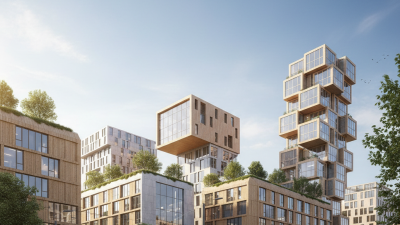
Modular buildings are revolutionizing modern construction. One major advantage is design flexibility. These structures can be tailored to specific needs. Different layouts and configurations are possible, accommodating diverse architectural visions. You can mix materials and colors, enhancing aesthetics.

Customization options in modular buildings offer unique advantages. Clients can choose finishes, room sizes, and even energy-efficient features. This level of personalization is rare in traditional construction. However, challenges remain. Detailed planning is needed to avoid mismatches in design intent. Build schedules might shift depending on customization choices.

Moreover, modular construction allows for adjustments even at later stages. This flexibility responds well to changing client needs. Space can be reconfigured as requirements change over time. Nevertheless, some may find the initial design process complex. Balancing creativity with structural integrity requires careful thought.

Top 10 Benefits of Modular Buildings for Modern Construction

This chart illustrates the top 10 benefits of modular buildings in modern construction, showcasing key advantages such as cost efficiency, speed of construction, and design flexibility, among others. Each benefit is rated based on its significance in the modular building process.

Improved Safety Standards in Modern Modular Construction Approaches

Top 10 Benefits of Modular Buildings for Modern Construction

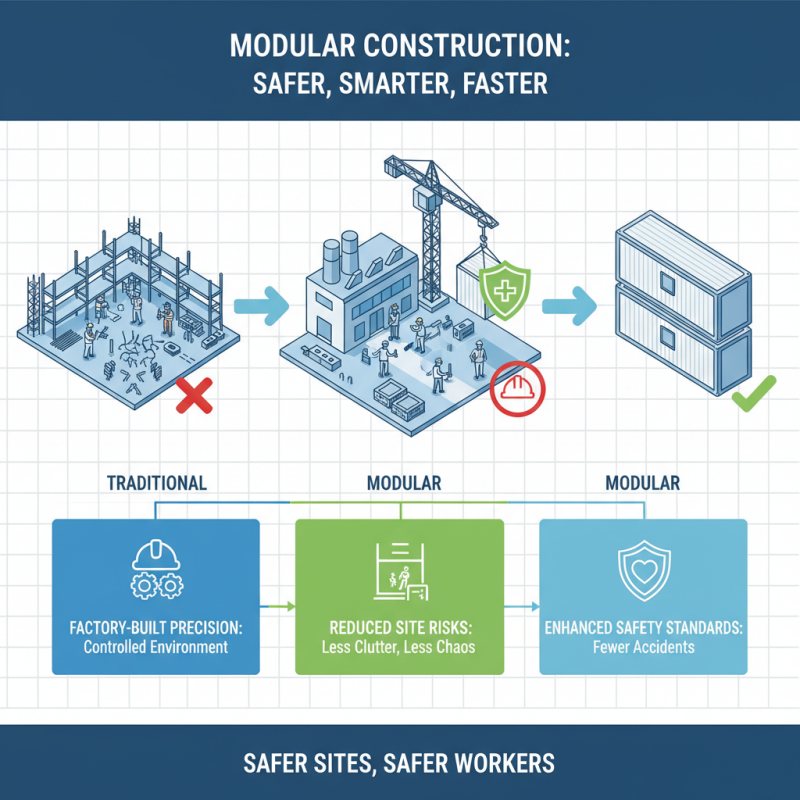
Modular construction is revolutionizing the industry. One of its key advantages is the enhanced safety standards it promotes. With pre-fabricated components, construction sites become more organized and less chaotic. This reduces the risk of accidents involving workers and heavy machinery.

In modular buildings, elements are built indoors. This minimizes exposure to adverse weather conditions. As a result, the likelihood of structural instability decreases. Additionally, inspections can be performed under controlled conditions. Quality control becomes easier, ensuring that all safety measures are strictly followed. However, it's important to recognize that modular construction is not entirely flawless.

Some may overlook the potential flaws in materials or designs. Proper training for workers is essential to maximize safety potential. Continuous evaluation of these modular systems can enhance their effectiveness. As the construction landscape evolves, addressing these shortcomings will be vital for ensuring safety in the long run.

X
We use cookies to offer you a better browsing experience, analyze site traffic and personalize content. By using this site, you agree to our use of cookies. Privacy Policy
Reject Accept

Leave a Message to Download Our Brochure

X